
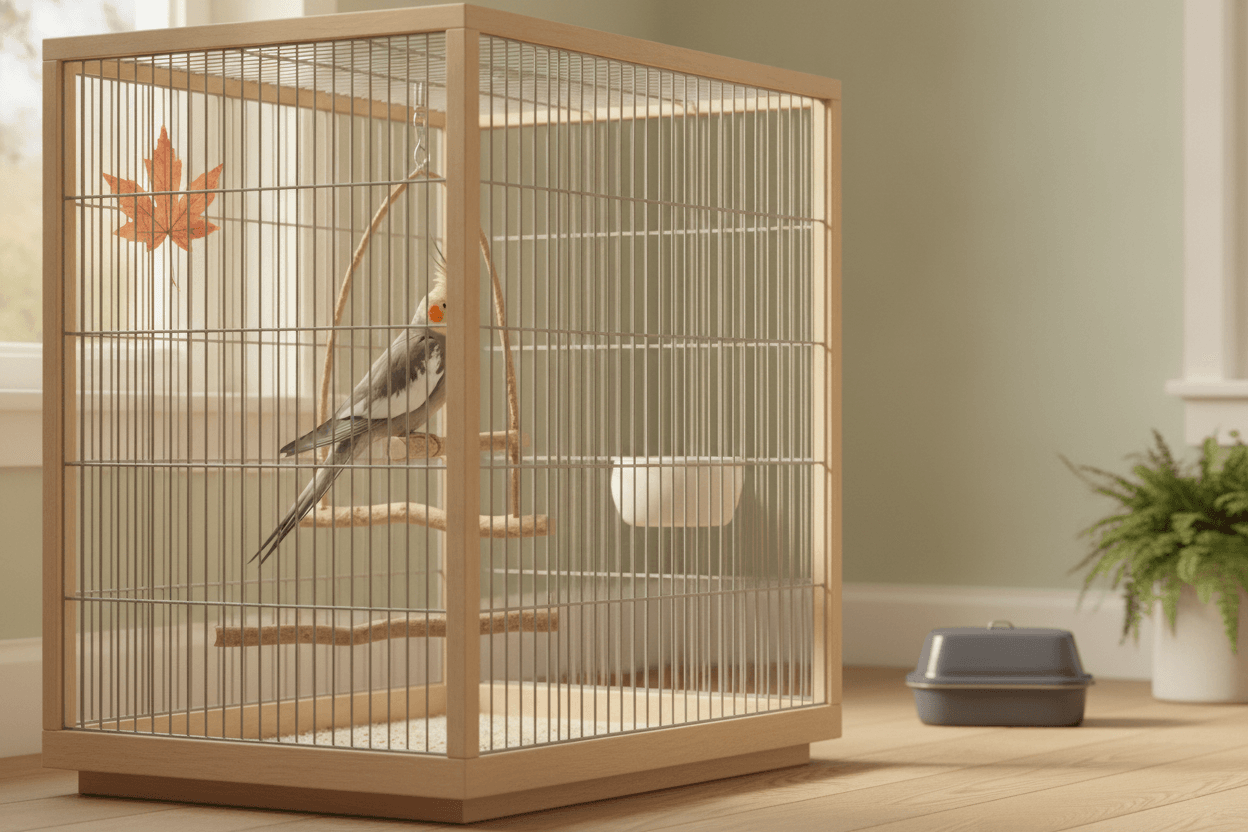
As temperatures cool, mice, ants, and other pests may find their way indoors—and households may reach for baits or sprays. For homes with birds, reptiles, amphibians, fish, and small mammals, the safest plan starts with prevention and careful separation, not a one-size-fits-all treatment. This practical guide explains how to reduce pest entry, store products safely, and respond promptly if an animal may have been exposed.
Why fall pest control needs an exotic-pet plan
Pets can encounter a pesticide directly, through contaminated food or water, or by reaching a bait or treated surface. Species differ in size, behavior, and sensitivity, so advice written for dogs and cats cannot automatically be applied to birds, reptiles, amphibians, fish, or small mammals. A product described as “pet safe” is not a guarantee that it is safe for every species or every exposure route. Read and follow the product label, and ask an exotic-animal veterinarian before using a pesticide in a pet’s room or near its habitat.
Start with exclusion and sanitation
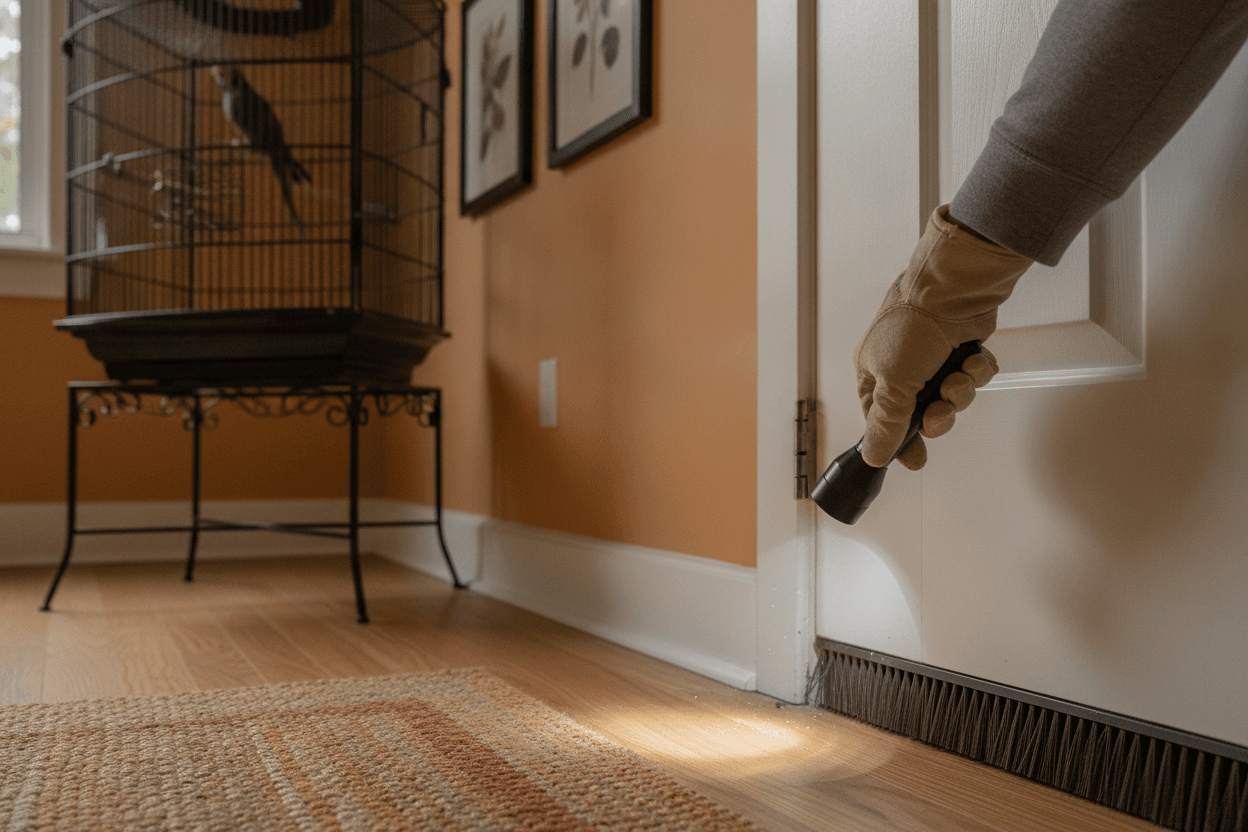
Make the room less inviting to pests before considering chemicals. Inspect door sweeps, window screens, plumbing openings, and other gaps; seal appropriate entry points or ask a qualified professional to help. Keep food in closed containers, clean spills promptly, empty waste regularly, and avoid leaving pet food out longer than needed. Check that habitat lids, doors, and feeding-storage containers close securely. These steps reduce access to food and hiding places without exposing animals to a pesticide.
Store and use pest products with care
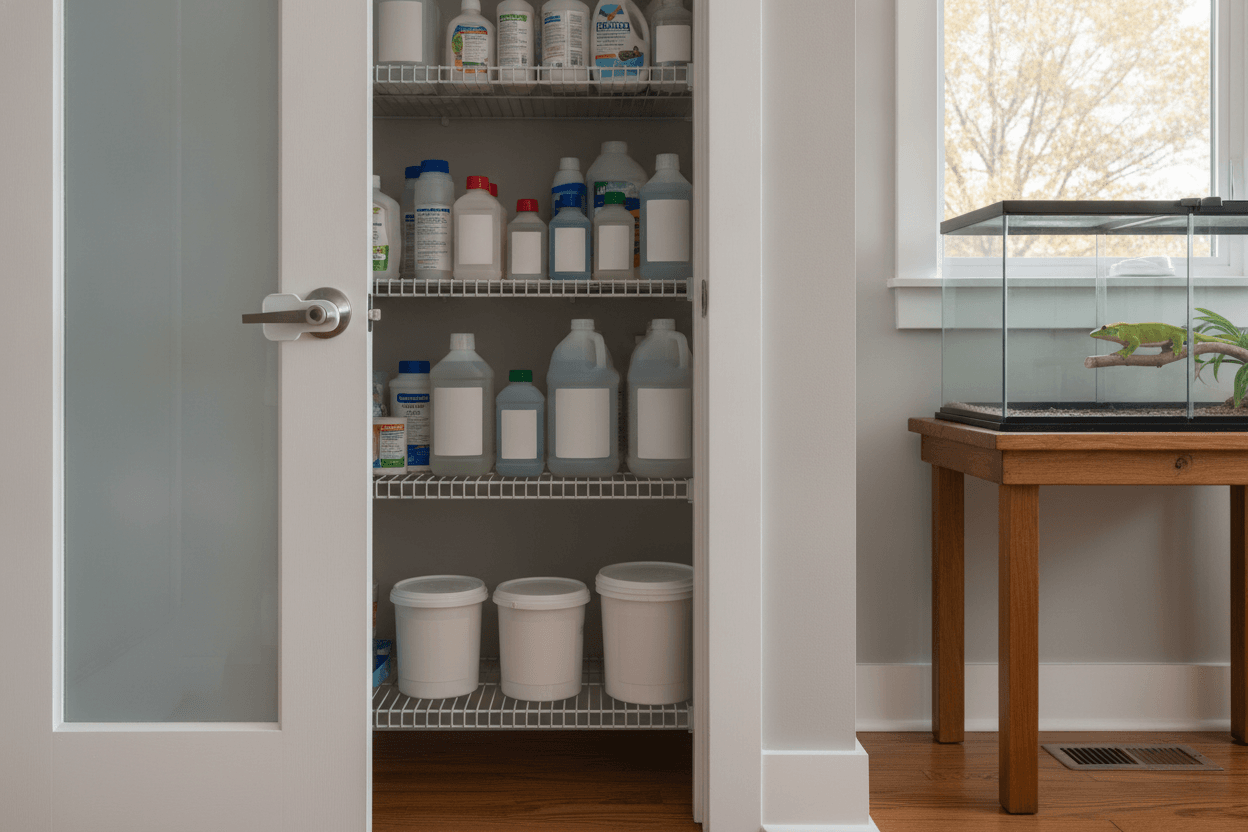
Keep pesticides and rodenticides in their original, tightly closed containers, in a locked or otherwise inaccessible storage area. Never place bait where a pet could reach it, knock it over, drag it into a habitat, or contact a poisoned rodent. Do not transfer chemicals to food containers or leave products unattended during use. Follow every direction and precaution on the specific product label, including any instructions about people and animals staying away from treated areas. There is no universal waiting period that applies to every product or setting.
Before a treatment, tell the pest-control professional exactly which species live in the home, where their enclosures are, and whether animals have access to the room or its ventilation. Ask what product will be used, where it will be applied, how habitats, food, water, and equipment should be protected, and when the area can be used again under the label. If those details cannot be confirmed, keep the animal and its supplies out of the treatment area and consult your veterinarian for species-specific planning.
Species-aware precautions at home
- Birds: Keep food, water, toys, and cage surfaces away from treatment areas. Ask your avian veterinarian and the applicator how to protect the bird and its environment; do not assume an open window or moving the cage a short distance is sufficient.
- Reptiles and amphibians: Prevent contact with sprays, residues, treated surfaces, and contaminated water or substrate. Species and habitat needs vary, so obtain advice for the particular animal and treatment.
- Fish and aquatic animals: Protect tanks from sprays, aerosols, dust, and accidental chemical entry. Ask the applicator how the product and application method may affect the aquarium; never make a treatment-area decision based on guesswork.
- Small mammals: Secure food, bedding, and enclosure accessories away from treated areas, and prevent access to bait, contaminated surfaces, or dead rodents.
These are precautionary reminders, not a substitute for the pesticide label, an applicator’s directions, or veterinary advice. When in doubt, keep pets and their supplies away and get species-specific guidance before treatment.
If exposure may have happened
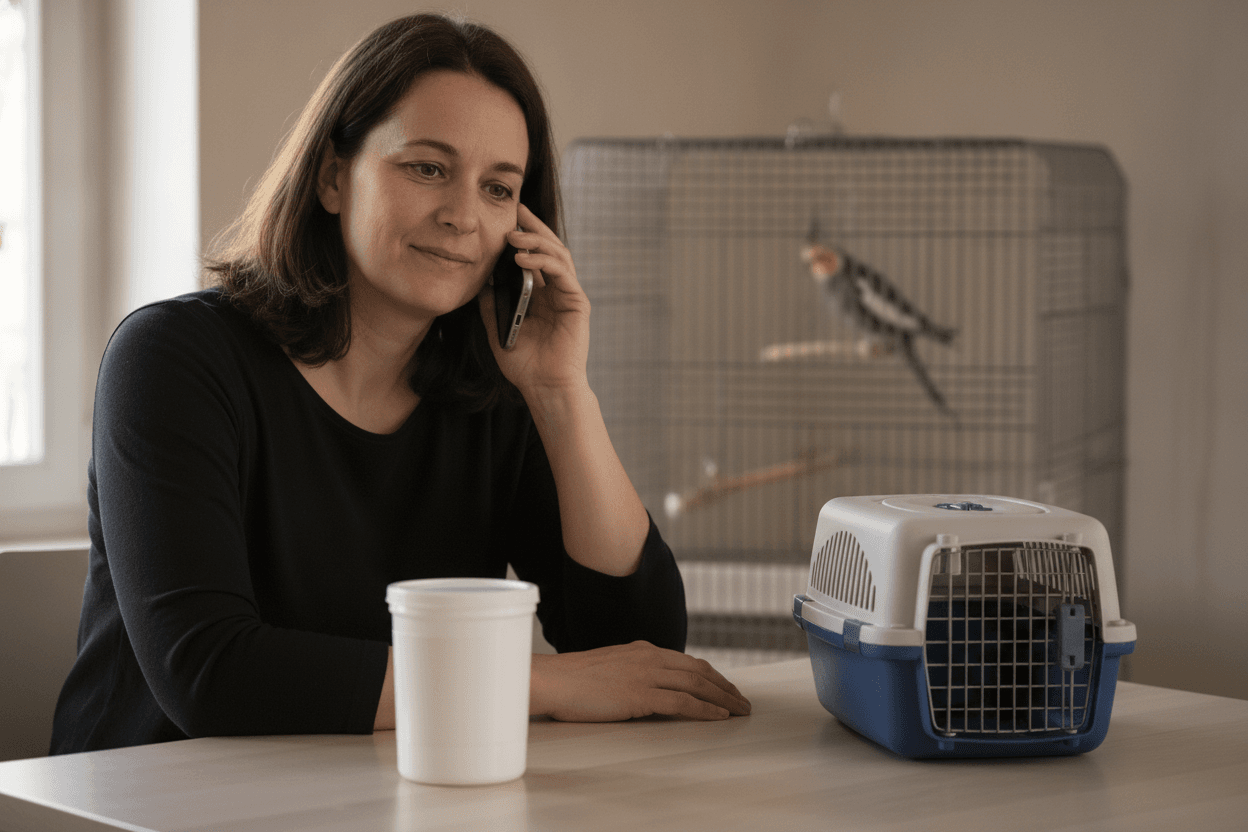
Move the animal away from the suspected source without putting yourself at risk. Contact an exotic-animal veterinarian or emergency clinic promptly and provide the product name, label or a clear photo of it, approximate time, and possible route of exposure. Do not induce vomiting, give home remedies, or attempt bathing or other treatment unless a veterinarian or poison professional instructs you to do so. Keep the packaging for identification. In the United States, the ASPCA Animal Poison Control Center offers poison-related guidance; a consultation fee may apply. If the animal is having trouble breathing, collapsing, seizing, or showing another severe change, seek emergency veterinary care immediately.
A quick fall checklist
- Seal likely entry points and keep food and waste secured.
- Store all pest products closed, in original packaging, and inaccessible to animals.
- Tell pest-control professionals which species live in the home and where habitats are located.
- Follow the exact product label; do not invent a universal re-entry time.
- Ask an exotic-animal veterinarian for species-specific advice before treatment.
- Save product details and seek professional help promptly after a suspected exposure.
Reliable sources and further reading
The ASPCA’s rodenticide guidance explains why bait exposure warrants caution and prompt professional advice. The U.S. Environmental Protection Agency’s pesticide-label Q&A describes the role of product-specific labeling and use directions. Always follow the label for the product actually being used and consult a veterinarian familiar with your pet’s species.
This article is general educational information, not a diagnosis or substitute for individualized veterinary or pesticide-label guidance. Exotic species have specialized needs; consult a qualified veterinarian familiar with your animal.