
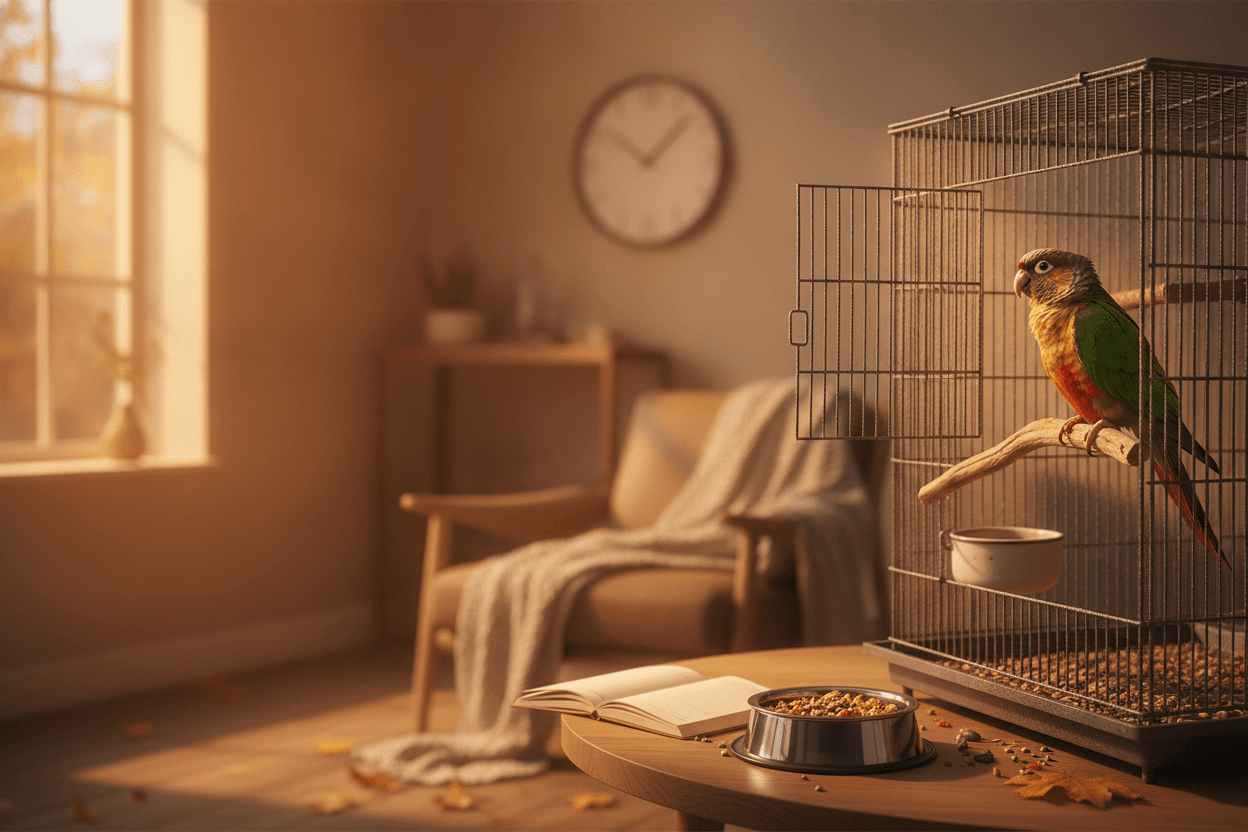
When clocks fall back on November 1, 2026 in most of the United States, your pet’s enclosure does not know the time changed—but your feeding, cleaning, and light-control habits may shift by an hour. A little planning can help keep care predictable without making risky changes to a species-specific routine.
This guide is about adjusting your schedule, not prescribing a universal light cycle. Birds, reptiles, amphibians, fish, and small mammals have different needs. Follow the care plan from your qualified exotic-animal veterinarian and species-specific husbandry references; do not change UVB exposure, heat, darkness, or seasonal cycling based on a general clock-change tip.
First, decide what actually changes
Make a short list of time-sensitive tasks: fresh food and water, prescribed medication, spot-cleaning, supervised activity, and any lights or equipment operated by a timer. Separate routine tasks from habitat controls. If a timer controls heat or specialist lighting, check the device clock and the care plan rather than assuming that resetting it is harmless.

A simple, low-stress adjustment plan
- Keep essential care consistent. Prepare food, water, and supplies ahead of the weekend so a busy morning does not delay a normal check.
- Choose how to handle flexible tasks. You can follow the new clock, or—if that better suits your household—move flexible interactions gradually in small increments over several days. Keep the animal’s needs and normal behavior at the center; there is no single required adjustment method for every species.
- Check automatic timers. Confirm the clock setting, programmed on/off times, and backup behavior. Avoid abrupt changes to a reptile’s or bird’s established photoperiod without species-specific veterinary guidance.
- Watch the animal, not just the clock. Continue normal observation of appetite, activity, droppings, and behavior. If you notice a concerning change, contact an exotic-animal veterinarian rather than attributing it to the time change.
Lighting and habitat timers need species-specific care
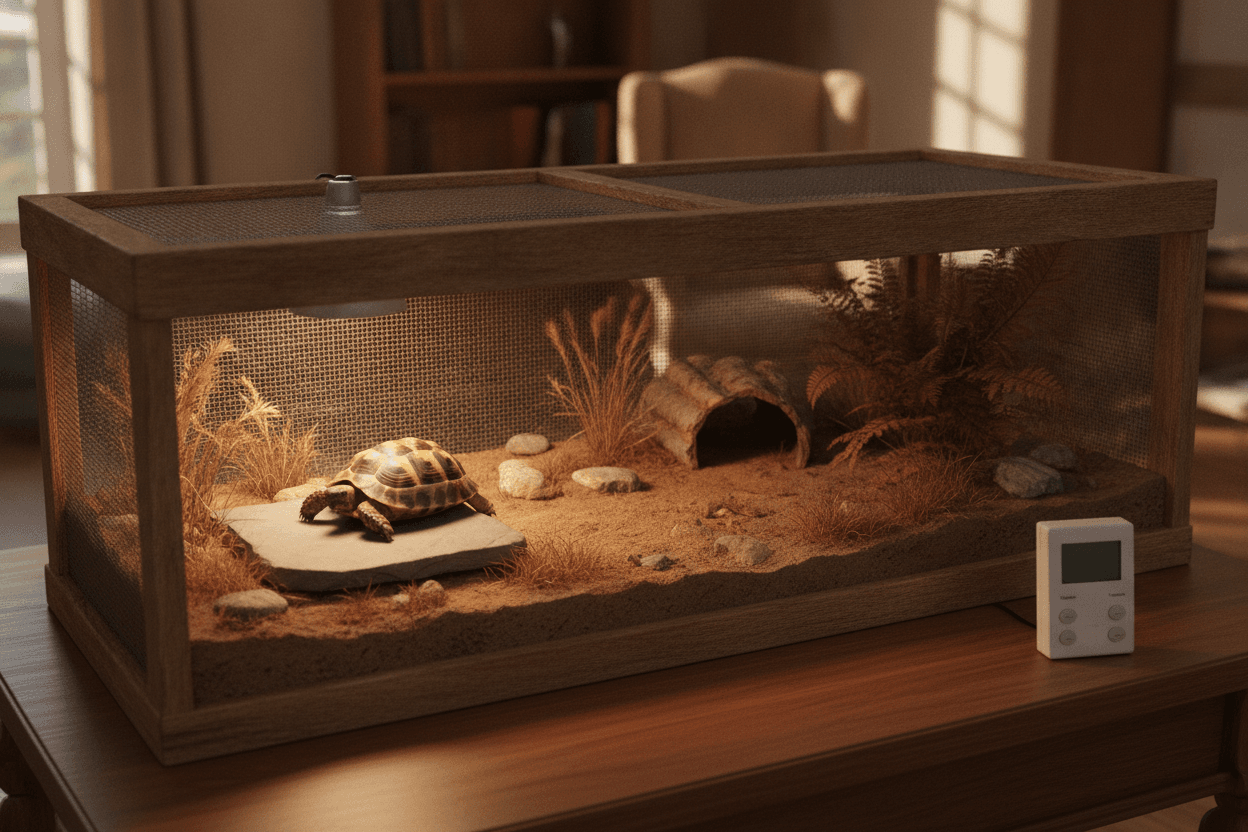
For some reptiles, photoperiod varies with species and activity cycle; the Merck Veterinary Manual notes that reptile light-cycle requirements are not one-size-fits-all. Household daylight is not a substitute for properly designed habitat lighting, and a clock change alone is not a reason to alter UVB, basking heat, or dark periods. If your timer controls more than one device, confirm each device’s purpose and safe schedule independently.
A quick checklist for the weekend
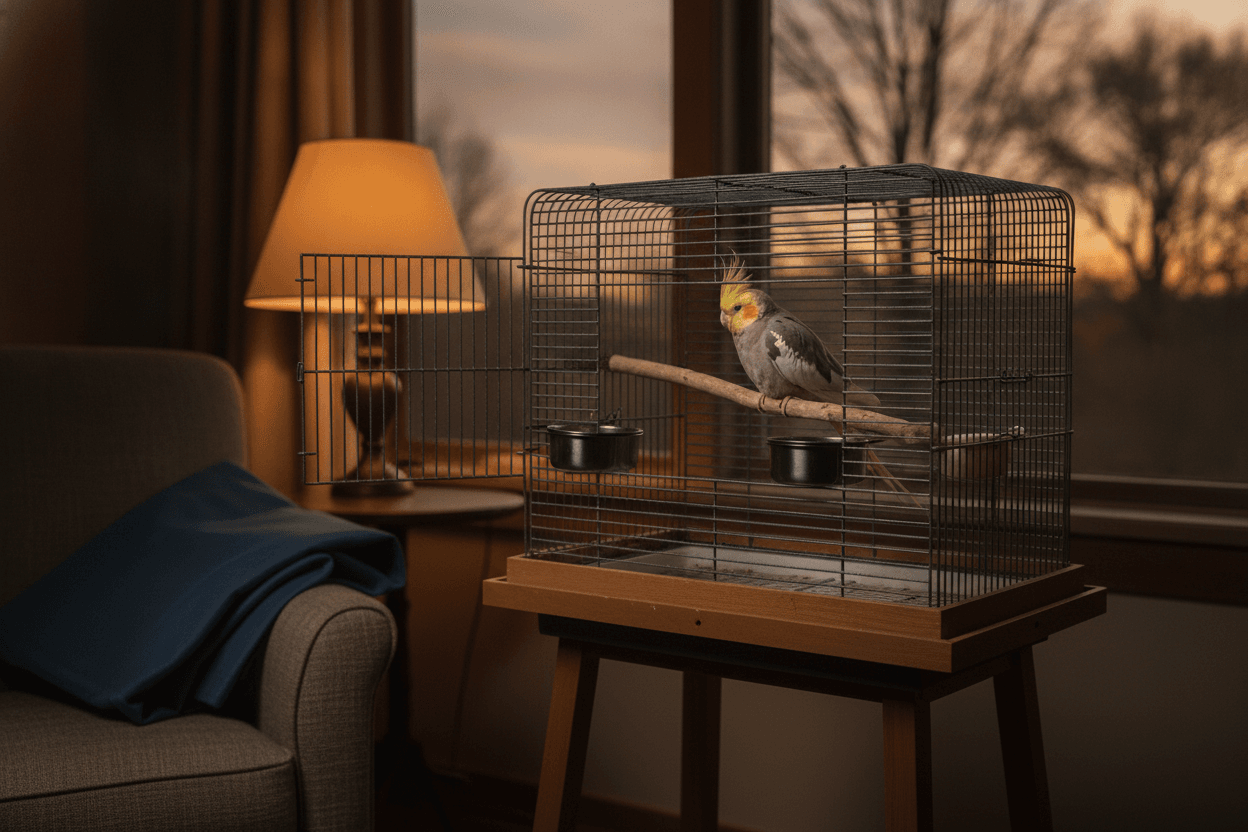
- Write down the current feeding, medication, cleaning, and interaction routine.
- Check automatic clocks and confirm which equipment each timer controls.
- Keep habitat temperature, lighting, and darkness within the established species-specific plan.
- Prepare essentials in advance and continue calm, ordinary observation.
When to ask an exotic-pet veterinarian
Ask your veterinarian before changing a prescribed schedule, lighting program, seasonal cycle, or medication timing. Seek prompt professional advice for a marked or persistent change in appetite, breathing, balance, activity, droppings, or other health signs. This article offers general routine-planning information and is not a diagnosis or a substitute for individualized veterinary care.
Authoritative references
- Merck Veterinary Manual: Selecting a Reptile — includes discussion of differing reptile photoperiod requirements.
- National Institute of Standards and Technology: Daylight Saving Time — authoritative information on U.S. time-change rules and dates.
Care note: Husbandry varies by species, age, health, and individual circumstances. Confirm your animal’s plan with a veterinarian experienced in that species.