
The Complete Guide to Bearded Dragon Care: Habitat, Diet, and Health Essentials
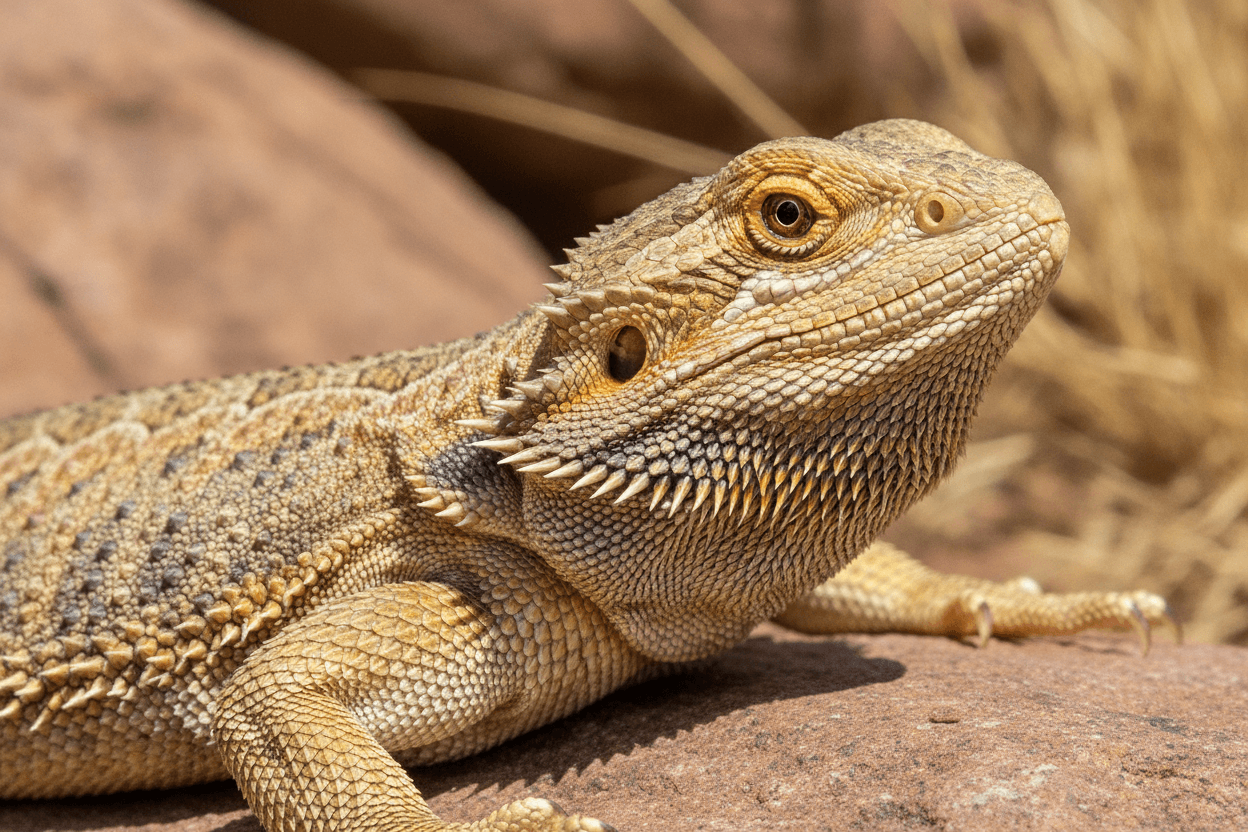
Bearded dragons (Pogona vitticeps) are among the most popular reptile pets in the world — and for good reason. Native to the arid deserts of central Australia, these friendly, charismatic lizards have won the hearts of reptile enthusiasts and first-time pet owners alike. With their calm temperament, manageable size, and distinctive “beard” display, bearded dragons make excellent companions for anyone willing to meet their specific care requirements.
In this comprehensive guide, we’ll walk you through everything you need to know about caring for a bearded dragon, from setting up the perfect enclosure to feeding, health monitoring, and enrichment.
Bearded Dragon Basics: What to Know Before You Bring One Home
Before adopting a bearded dragon, it’s important to understand the commitment. These reptiles typically live 8 to 12 years with proper care, growing to an average length of 18 to 24 inches. They are diurnal (active during the day) and have distinct personalities — many owners report that their beardies recognize them, enjoy being handled, and even beg for attention.
There are several color morphs available, from classic sandy brown to vibrant citrus, orange, and hypo-translucent varieties. Regardless of color, all bearded dragons share the same core care requirements.
Enclosure Setup: Size Matters
Your bearded dragon’s enclosure — often called a vivarium or terrarium — is the single most important factor in its health and well-being.
- Baby bearded dragons (0–6 months): Minimum 20-gallon (30″ x 12″ x 12″)
- Juveniles (6–12 months): 40-gallon breeder tank (36″ x 18″ x 18″)
- Adults (12+ months): Minimum 75-gallon tank, ideally 120 gallons (4′ x 2′ x 2′)
Bearded dragons are terrestrial, so the enclosure should be longer and wider than it is tall. A front-opening enclosure is preferable, as reaching in from above can trigger a predator response.
Substrate Options
For babies and juveniles, solid substrates like reptile carpet, paper towels, or slate tile are safest. Loose substrates like sand can cause intestinal impaction if ingested. For adults, a sand-soil mix (70% topsoil, 30% play sand) can be used, but only if husbandry is otherwise perfect.
Cleaning and Maintenance Schedule
Maintaining a sanitary environment is crucial for preventing bacterial infections and parasites. A consistent cleaning routine should include:
- Daily Spot Cleaning: Remove any feces, urates, and uneaten food or insects immediately. If using paper towels or newspaper as substrate, replace any soiled sections daily.
- Monthly Deep Clean: Once a month, perform a full breakdown of the enclosure. Remove the dragon and all decor. Disinfect the tank and all accessories with a reptile-safe cleaner.
- Substrate Changes: Completely replace loose substrates or paper liners during your monthly deep clean to ensure no hidden bacteria or mold is present.
Lighting and Heating: The Non-Negotiables
Bearded dragons are ectothermic, meaning they rely entirely on their environment to regulate body temperature. Getting this right is critical.
Temperature Gradient
- Basking spot: 100–110°F (38–43°C)
- Warm side: 88–95°F (31–35°C)
- Cool side: 75–85°F (24–29°C)
- Nighttime: 65–75°F (18–24°C)
Use a ceramic heat emitter or a halogen basking bulb for heat. Always connect heat sources to a thermostat to prevent overheating. Use at least two digital thermometers with probes at opposite ends of the enclosure.
UVB Lighting — Absolutely Essential
UVB light is not optional — it’s a biological necessity. Without it, bearded dragons cannot synthesize vitamin D3, which means they cannot absorb calcium. This leads to Metabolic Bone Disease (MBD), a painful and often fatal condition.
- UVB bulb type: T5 HO linear fluorescent (10.0 or 12% UVB) — never coil bulbs
- Distance: 12–18 inches from the basking platform
- Photoperiod: 12–14 hours on, 10–12 hours off
- Replacement: Every 6–12 months, even if the bulb still emits visible light
Place the UVB tube overlapping the basking area so your dragon can self-regulate its exposure.
Humidity Requirements
While bearded dragons are desert animals, they still require specific humidity levels to stay healthy. Use a hygrometer to ensure the enclosure stays between 30–40% humidity. If the humidity is consistently too high, it can lead to serious respiratory issues and skin infections. Conversely, if it is too low, your dragon may struggle with dehydration and difficult sheds.
Feeding Your Bearded Dragon: A Balanced Diet
Bearded dragons are omnivores. Their diet changes as they age, shifting from protein-heavy to plant-heavy.
Age-Based Feeding Schedule
| Age | Insects per day | Veggies per day | Feeding frequency |
|---|---|---|---|
| 0–3 months | 60–80 small crickets | Small amounts | 3–4 times daily |
| 3–6 months | 40–50 medium crickets | Chopped greens | 2–3 times daily |
| 6–12 months | 20–30 insects | Salad bowl daily | 2 times daily |
| 12+ months | 5–10 insects | 80% of diet | 1 time daily |
Staple Insects
Dubia roaches, black soldier fly larvae, and crickets are the best options. Mealworms and superworms should be limited due to their high fat content and hard exoskeletons. Always gut-load insects for 24 hours before feeding and dust them with calcium powder (without D3 at every feeding, with D3 2–3 times per week).
Vitamin Supplementation
Proper supplementation is vital to prevent nutritional deficiencies. Calcium and Vitamin D3 are the most critical components. Because captive dragons do not get the same variety of nutrients as wild ones, you must “dust” their insects with high-quality nutritional powder before feeding. Additionally, gut-loading — feeding the insects nutrient-rich foods like carrots or squash 24 hours before they are eaten — ensures that the vitamins are passed directly to your dragon.
Safe Vegetables and Greens
Staples: collard greens, mustard greens, turnip greens, dandelion greens, endive, escarole. Occasional: butternut squash, bell peppers, carrots, green beans. Fruits (treats only): blueberries, raspberries, strawberries, mango, papaya.
Foods to Avoid
Avocado, rhubarb, spinach (oxalates bind calcium), iceberg lettuce (no nutritional value), fireflies (toxic), wild-caught insects (pesticide risk).
Hydration
Bearded dragons come from arid environments, but they still need hydration. Provide a shallow water dish large enough for soaking. Mist your dragon and enclosure 1–2 times daily. A weekly soak in lukewarm water (15–20 minutes) helps with hydration and shedding. Maintain humidity between 30–40%.
Handling and Bonding
Bearded dragons are one of the most handleable reptiles. Start with short, gentle sessions of 5–10 minutes, gradually increasing. Support the body fully — never grab the tail. Signs of a happy beardie: relaxed posture, bright colors, no black beard, and a willingness to climb onto your hand. Many bearded dragons enjoy sitting on shoulders, exploring the house under supervision, and even watching television with their owners.
Common Health Issues
- Metabolic Bone Disease: Caused by insufficient UVB or calcium. Symptoms include swollen limbs, tremors, and a soft jaw. Prevention is the key — proper UVB and supplementation are essential.
- Respiratory Infections: Wheezing, bubbles from the nose, open-mouth breathing. Usually caused by incorrect temperatures or humidity.
- Impaction: Lethargy, loss of appetite, no bowel movements. Often caused by loose substrate or oversized prey.
- Parasites: Regular fecal exams at the vet are recommended.
- Incomplete Shed: Especially on toes and tail tips. This can constrict blood flow and lead to the loss of digits. Soaking helps.
- Tail Kinks: Often a physical sign of bone density issues or MBD.
- Hanging Jaws: A jaw that stays slightly open or appears slack can indicate advanced MBD or mouth rot.
- Discoloration: Sudden dark patches or unusual skin colors can be a sign of stress, infection, or rot.
- Sunken Eyes: A major red flag for severe dehydration.
- Lesions: Any open sores, scabs, or unusual bumps on the skin require immediate veterinary attention.
Brumation: The Reptile “Hibernation”
During winter, bearded dragons may enter a period of brumation — a natural slowdown in activity, appetite, and metabolism. This is a biological response to the changing seasons.
Brumation Deep Dive: What to Expect
When a dragon enters brumation, they may become very lethargic, stop eating almost entirely, and spend most of their time sleeping in a hide. This can last anywhere from a few weeks to several months. During this time, you should:
- Monitor Weight: While they won’t be eating, they should not lose significant weight. If you notice their fat pads on their head or tail shrinking rapidly, consult a vet.
- Hydration: Continue to offer water and occasional soaks, as they can still become dehydrated while sleeping.
- Lighting: Some owners choose to slightly reduce the photoperiod (hours of light) to mimic winter, but always ensure they have the option to bask if they wake up.
- When to Worry: If your dragon is lethargic but not sleeping, has a black beard for extended periods, or shows signs of respiratory distress, these are signs of illness rather than natural brumation.
Final Thoughts
Bearded dragons are truly special pets. With their unique personalities, manageable care requirements, and entertaining antics, it’s no surprise they’ve become one of the most beloved reptiles worldwide. By providing the right enclosure, lighting, diet, and veterinary care, you’ll be rewarded with years of companionship from a creature that genuinely seems to enjoy your company.
For more exotic pet care guides, check out our articles on reptile care and general pet maintenance.