
African Grey Parrot Care: Intelligence, Training & Companionship
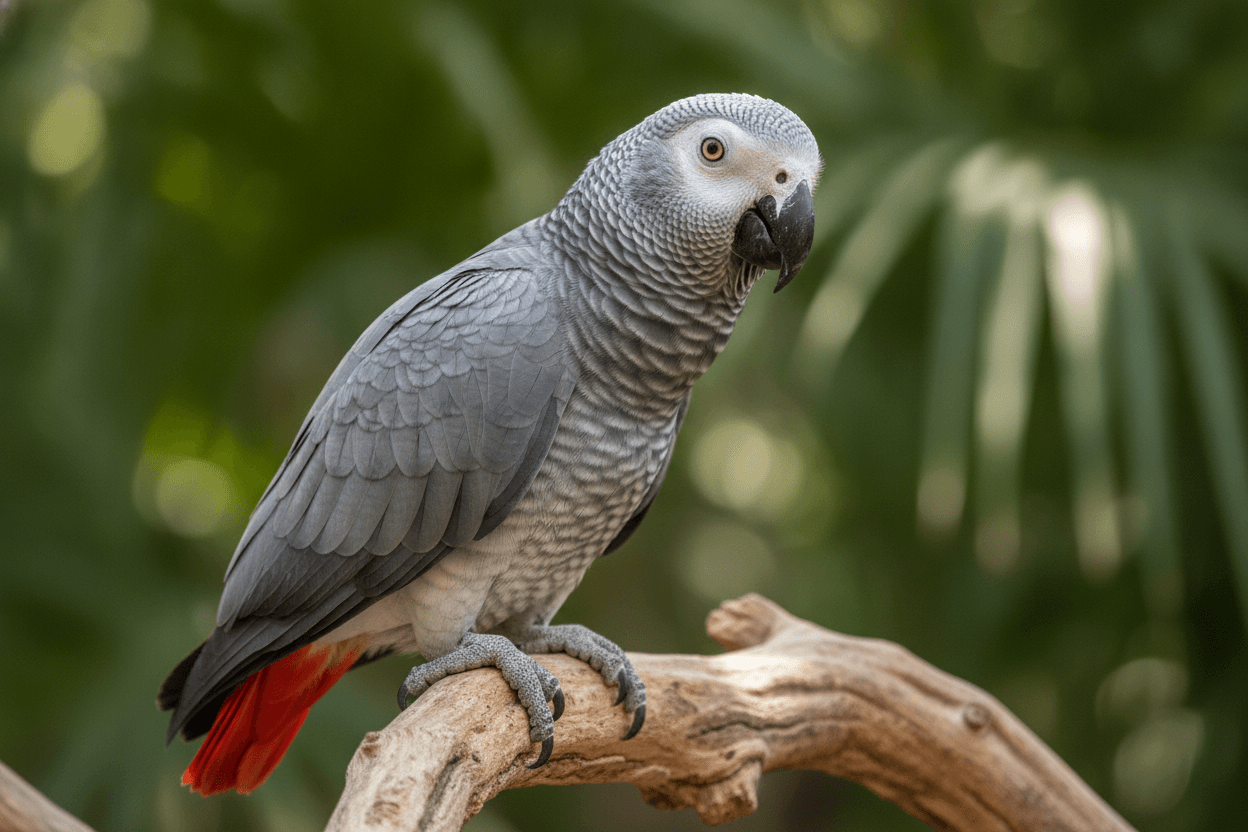
African Grey parrots (Psittacus erithacus) are widely regarded as the most intelligent of all parrot species — and with good reason. Native to the rainforests of Central and West Africa, these remarkable birds possess cognitive abilities comparable to a 5-year-old human child, along with an emotional depth that few other pets can match. They can learn hundreds of words, solve complex puzzles, and form deep, lifelong bonds with their caregivers.
However, African Greys are not a casual pet. With a lifespan of 40 to 60 years (or more), exceptional intelligence, and intense emotional needs, they require a level of commitment that matches their extraordinary nature. This guide covers everything you need to know about African Grey parrot care.
Table of Contents
Congo vs. Timneh African Grey — Expanded
There are two distinct subspecies, each with subtle differences in appearance and temperament:
| Feature | Congo African Grey | Timneh African Grey |
|---|---|---|
| Size | 12–14 inches | 10–12 inches |
| Plumage | Light silver-grey | Darker charcoal-grey |
| Tail color | Bright crimson red | Darker maroon |
| Personality | More reserved, analytical, and observant | Slightly more outgoing, adaptable, and bold |
| Lifespan | 40–60+ years | 30–50 years |
Both subspecies are highly intelligent and require similar care. The Timneh is often recommended for slightly less experienced owners due to its marginally more adaptable nature and tendency to handle environmental changes with less stress than the analytical Congo.
Housing: Creating a Safe and Stimulating Environment
Cage Requirements
- Minimum size: 36″ x 24″ x 48″ (larger is always better)
- Bar spacing: ¾ to 1 inch
- Material: Stainless steel or powder-coated metal
- Perches: Multiple perches of varying diameters and textures (natural wood branches are best)
Cage Placement
Place the cage in a well-lit, draft-free area where the family spends time — living rooms or home offices are ideal. Never place the cage in the kitchen — Teflon non-stick coatings release fumes that are lethal to birds. Also avoid areas with direct drafts, loud noises, or sudden temperature changes.
Out-of-Cage Time
African Greys need 3–4 hours of supervised out-of-cage time daily. Provide a bird-safe play stand or gym with toys, foraging opportunities, and perches in a safe, bird-proofed room.
Diet: Nutritional Needs for Optimal Health
African Greys are prone to calcium deficiency (hypocalcemia) and vitamin A deficiency, making proper nutrition critical.
Daily Diet Breakdown
- High-quality pellets (60–70%): Harrison’s, Roudybush, or TOPs — these should form the foundation of the diet
- Fresh vegetables and leafy greens (20–30%): Kale, collard greens, Swiss chard, bell peppers, carrots, broccoli, butternut squash, sweet potato
- Fruits (10% or less): Apple (no seeds), berries, mango, melon, banana, papaya
- Nuts and seeds (treats only): Unsalted almonds, walnuts, pine nuts, sunflower seeds
Foods to Avoid
Avocado, chocolate, caffeine, alcohol, fruit pits, onion, garlic, high-sodium foods, dairy products, and any sugary or fatty human foods. These can be toxic or cause serious health issues.
UVB Lighting Importance
African Greys require extra calcium, but they cannot process it without Vitamin D3. UVB lighting is essential for vitamin D3 synthesis and proper calcium absorption. To be effective, an avian-specific UVB bulb should be positioned 12–18 inches from the bird’s favorite perch and remain on for 6–8 hours daily. Because the UVB output of these bulbs degrades over time even if they still appear bright, bulbs must be replaced every 6–12 months to ensure the bird is receiving the necessary spectrum.
Intelligence and Enrichment Expansion
African Greys are renowned for their cognitive abilities. Dr. Irene Pepperberg’s landmark studies with Alex the African Grey demonstrated that these birds can understand concepts like zero, addition, and the difference between same and different. This intelligence comes with a price: an under-stimulated African Grey is a destructive, unhappy African Grey.
Essential Enrichment Ideas
- Foraging toys: Hide food in paper, cardboard boxes, or specialized puzzle toys to encourage natural foraging behavior and problem-solving.
- Rotating toy selection: Swap out the bird’s toys weekly to maintain novelty and prevent boredom. Shreddable wood, thick ropes, and plastic foot toys are favorites.
- Training sessions: Dedicate 15–30 minutes daily to positive-reinforcement training. This includes target training, learning new tricks, or practicing speech.
- Vocal interaction: Talk to your Grey regularly as if they are a toddler. They love to learn new words and will often use them in the correct context.
- Music and TV: Many Greys enjoy background enrichment when you are away. Classical music, soft radio, or nature documentaries can provide soothing background stimulation.
Speech and Vocalization
African Greys are the best talkers in the parrot world. They can develop extensive vocabularies of hundreds of words, mimic household sounds (microwaves, phones, doorbells), and even use words in appropriate context. Some Greys can identify objects by name, count, and communicate basic needs and emotions.
Behavior and Socialization
African Greys are deeply social and form strong bonds with their caregivers. However, they are sensitive and can become fearful if their body language is ignored.
Managing the “One-Person Bird” Tendency
African Greys are notorious for becoming “one-person birds,” where they bond exclusively with one individual and become territorial or aggressive toward others. This often happens when excessive physical affection from one person creates a “mate bond” rather than a social bond. To prevent this, it is vital that multiple family members are involved in the bird’s daily care, including feeding, training, and play. Everyone in the household should use positive reinforcement to ensure the bird views the entire family as its social flock.
Socialization Tips
- Involve multiple family members in feeding, training, and play
- Use positive reinforcement only — never punishment
- Establish consistent daily routines
- Respect your bird’s body language — watch for pinned eyes or fluffed feathers
Fun Facts About African Greys
- Lifelong Partners: African Greys are monogamous birds that form strong pair bonds that last a lifetime.
- Cooperative Parenting: During the breeding season, the female lays and incubates the eggs while the male acts as the sole provider, bringing her food. Once the chicks hatch, both parents share the responsibility of feeding and raising them.
- Conservation Status: The wild population of African Greys is currently decreasing at a rapid rate. This is primarily due to the illegal pet trade and the destruction of their natural rainforest habitats in Africa.
Grooming and Hygiene
- Bathing: Misting 2–3 times per week or providing a shallow bathing dish
- Nail trimming: Every 4–8 weeks (have your avian vet demonstrate proper technique)
- Wing clipping: Optional — discuss with your avian veterinarian
- Beak care: Healthy beaks maintain themselves with proper diet and chew toys
Common Health Concerns
- Hypocalcemia (low calcium): Seizures, weakness, tremors. Emergency veterinary treatment required.
- Feather-destructive behavior: Usually caused by boredom, stress, or medical issues. Requires thorough evaluation.
- Respiratory infections: Tail bobbing, wheezing, nasal discharge. Requires immediate veterinary attention.
- Psittacine Beak and Feather Disease (PBFD): A viral disease that affects feathers, beak, and immune system.
- Obesity and fatty liver disease: Caused by high-fat diets with too many seeds and nuts.
Veterinary Care
Annual wellness exams with an avian veterinarian are essential. These should include a physical exam, weight check, bloodwork (especially calcium levels), and fecal testing for parasites. Because birds hide illness until they are very sick, routine check-ups are critical for early detection.
Is an African Grey Right for You?
African Greys are not a beginner bird. They are a 40-to-60-year commitment that requires daily interaction, mental stimulation, a specialized diet, and significant financial investment. They are sensitive, emotional, and deeply intelligent creatures that thrive on routine and affection.
For the right owner, however, an African Grey is an extraordinary companion — one that will talk with you, puzzle with you, and bond with you for a lifetime. If you’re ready for the responsibility, the reward is truly unparalleled.
For more bird care guides, explore our bird care section and general pet care articles.