
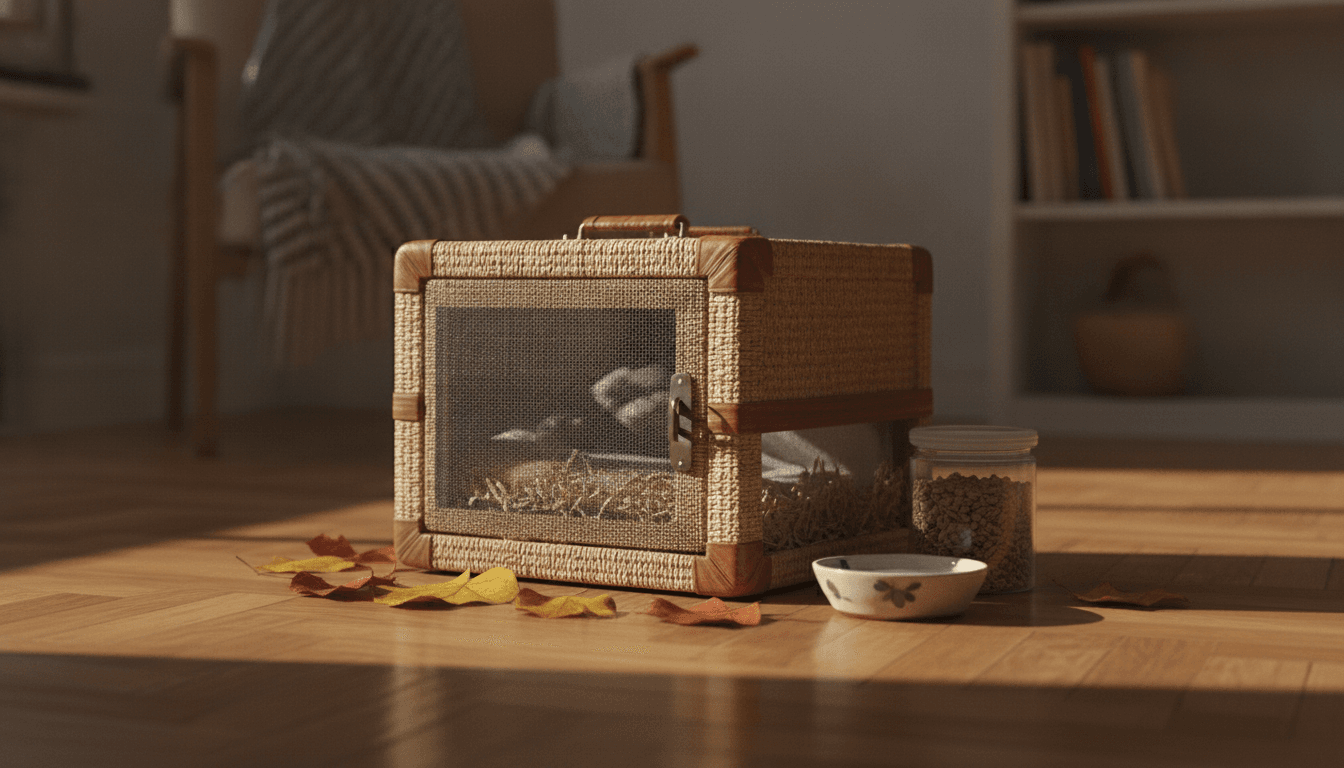
Autumn travel, family visits, and temporary boarding can change an exotic pet’s routine quickly. A trip that feels simple to a person may involve unfamiliar noise, temperature swings, missed feeding details, or a carrier that is not appropriate for the species. The safest plan is not a universal packing list: it is a short, species-specific transition plan made before departure.
This guide focuses on practical preparation for pet birds, reptiles, and small mammals. It is general education, not a diagnosis or a substitute for an exotic-animal veterinarian. If your pet is ill, recently had a procedure, is not eating normally, or has a history of stress-related problems, ask the veterinary team whether travel or boarding should be postponed.
Start with the least disruptive option
Before arranging transport, compare the options: a qualified pet sitter in the home, an experienced exotic-pet boarding facility, or travel with you. A familiar environment is often easier to manage than a busy trip, but every animal and household is different. Ask a prospective sitter or facility what species they routinely handle, how they monitor temperature and ventilation, how they separate animals, and what they do if a pet stops eating or behaves unusually.
- Write down the normal feeding, lighting, misting, cleaning, and interaction routine.
- Provide the name and contact details of your exotic-animal veterinarian and an emergency clinic.
- Give written permission for urgent veterinary care and explain your preferred contact order.
- Do not introduce a new food, enclosure accessory, substrate, harness, or medication immediately before departure.
Build a safe carrier plan for the species
Birds
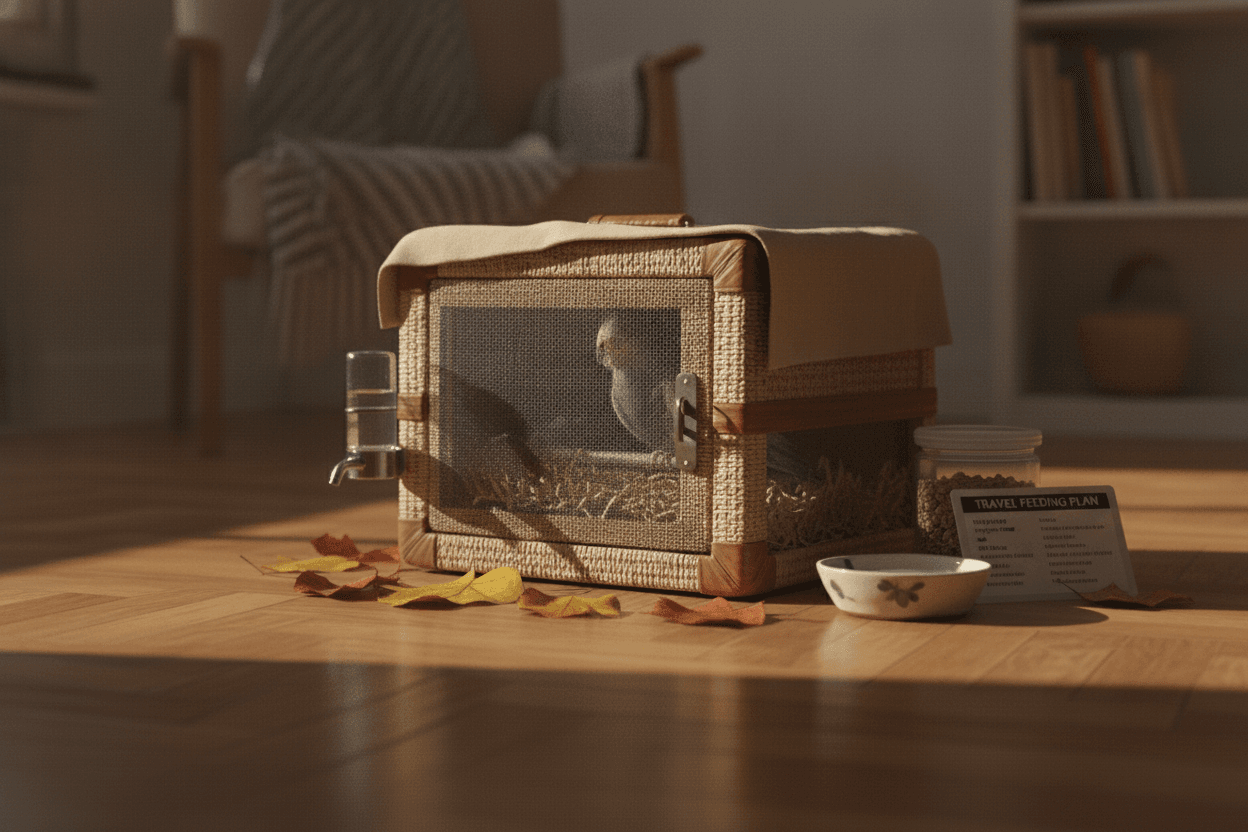
Use a carrier that is secure, escape-resistant, well ventilated, and large enough for the bird to maintain a stable posture without being tossed around. Follow your veterinarian’s advice about perch design; a poorly positioned perch can create injury risk during movement. A partial cover may reduce visual stimulation, but never block ventilation. Pack the usual food and water plan, and avoid leaving loose, heavy, or easily tangled objects inside the carrier. Never use sedatives unless they were specifically prescribed and explained by your veterinarian.
Reptiles and amphibians
Transport temperatures and humidity requirements vary substantially by species, age, health status, and travel duration. Ask your veterinarian how to maintain the appropriate range without creating a hot spot or allowing direct contact with a heat pack. Use a secure ventilated container with stable padding, and monitor conditions with equipment you have already tested. Do not rely on a generic temperature number from an online checklist. During a move, keep handling brief, protect the carrier from drafts and direct sun, and follow the normal hydration and feeding plan rather than forcing food or water.

Small mammals
Choose a secure carrier with good airflow and enough room for the animal to rest naturally. Familiar, clean bedding or a hide can make the carrier less unsettling, while loose accessories that can shift during travel should be avoided. Pack the usual hay, pellets, approved fresh foods, and water system; if a bottle or bowl is unfamiliar, test it before leaving. Keep noise, vibration, and temperature changes as low as practical, and ask a veterinarian about safe transport for animals that are pregnant, elderly, recovering, or prone to respiratory problems.
Pack a handoff sheet, not just a supply bag
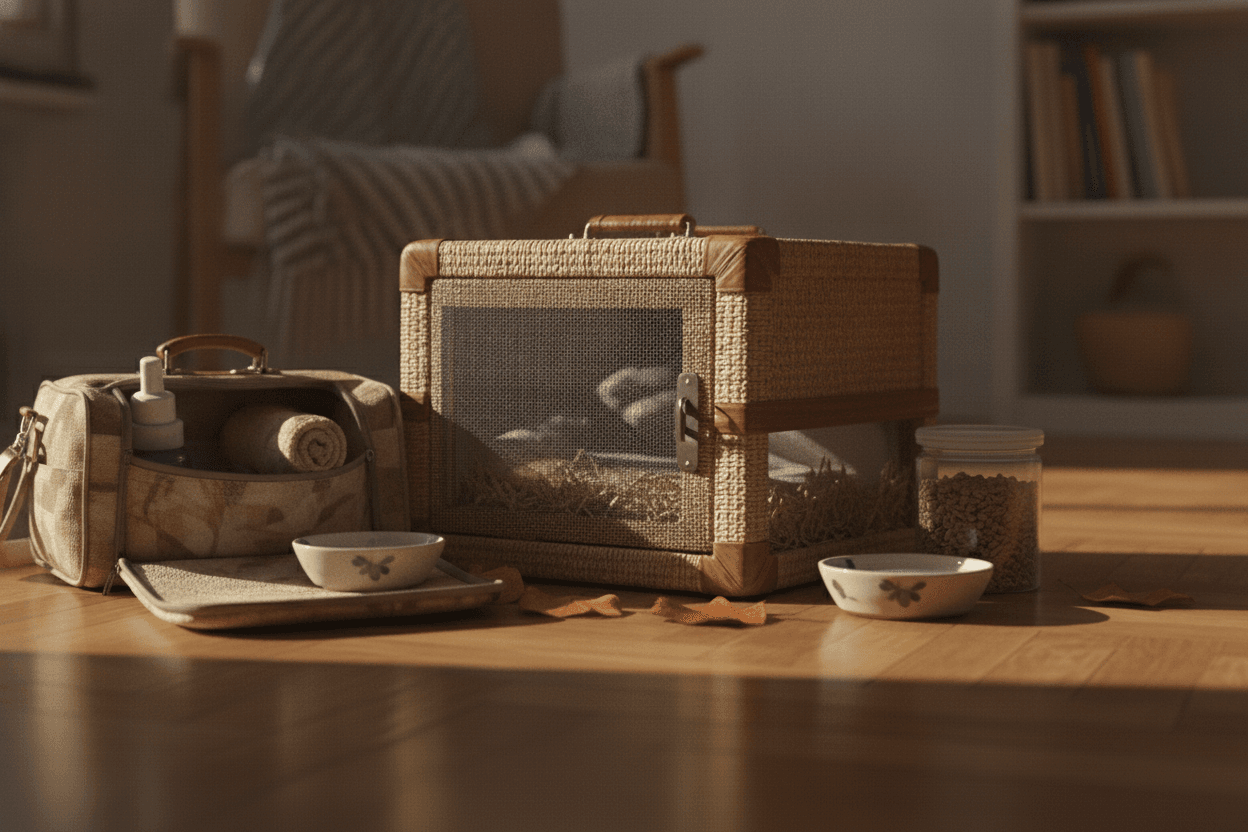
A written handoff reduces guesswork when someone else is caring for your pet. Include the pet’s name, species, age, normal behavior, feeding amounts and times, enclosure settings, cleaning instructions, medications with exact directions, and the signs that mean the caregiver should call. Add a recent photo and note what normal droppings, appetite, activity, and breathing look like for that individual.
- Carrier and backup containment plan
- Food, approved treats, bedding, and cleaning supplies
- Thermometer or monitoring equipment when appropriate
- Medication in the original labeled container, if prescribed
- Veterinary records, emergency contacts, and written authorization
- A clear check-in schedule and instructions for unexpected delays
Manage autumn temperature and travel changes
Autumn can bring warm afternoons, cold nights, indoor heating, and sudden drafts in the same journey. Keep the carrier out of direct sun and away from vehicle vents. Never leave an animal unattended in a parked vehicle. For longer travel, plan rest and monitoring around the species’ needs, and confirm in advance that your destination can maintain the correct enclosure environment. If a temperature-control device is needed, use a method recommended for that species and secure it so the animal cannot chew, touch, or become trapped by it.
Know when to stop and call for help
Travel stress can be difficult to distinguish from illness, and exotic animals may hide problems. Contact an exotic-animal veterinarian promptly for breathing difficulty, collapse, repeated vomiting or regurgitation, uncontrolled bleeding, severe weakness, seizures, significant overheating or chilling, or any sudden change that concerns you. Do not give human medicines or attempt home treatment based on a social-media post. The American Animal Hospital Association’s exotic-pet guidance emphasizes the importance of specialized veterinary care, while the ASPCA travel-safety guidance reinforces planning for temperature extremes and never leaving an animal unattended in a vehicle.
A calm departure checklist
- Confirm the destination, caregiver, route, and emergency clinic.
- Test the carrier, monitoring equipment, and water plan before departure.
- Pack the normal diet and written care instructions.
- Check the weather and avoid direct sun, drafts, and parked-vehicle exposure.
- Keep the handoff brief and calm; minimize unnecessary handling.
- At arrival, return the pet to a prepared enclosure and observe quietly for changes.
The best autumn travel plan is the one that preserves the animal’s normal care while giving the caregiver clear, species-specific instructions. Prepare early, test everything at home, and ask a qualified exotic-animal veterinarian when the situation falls outside your pet’s usual routine.