
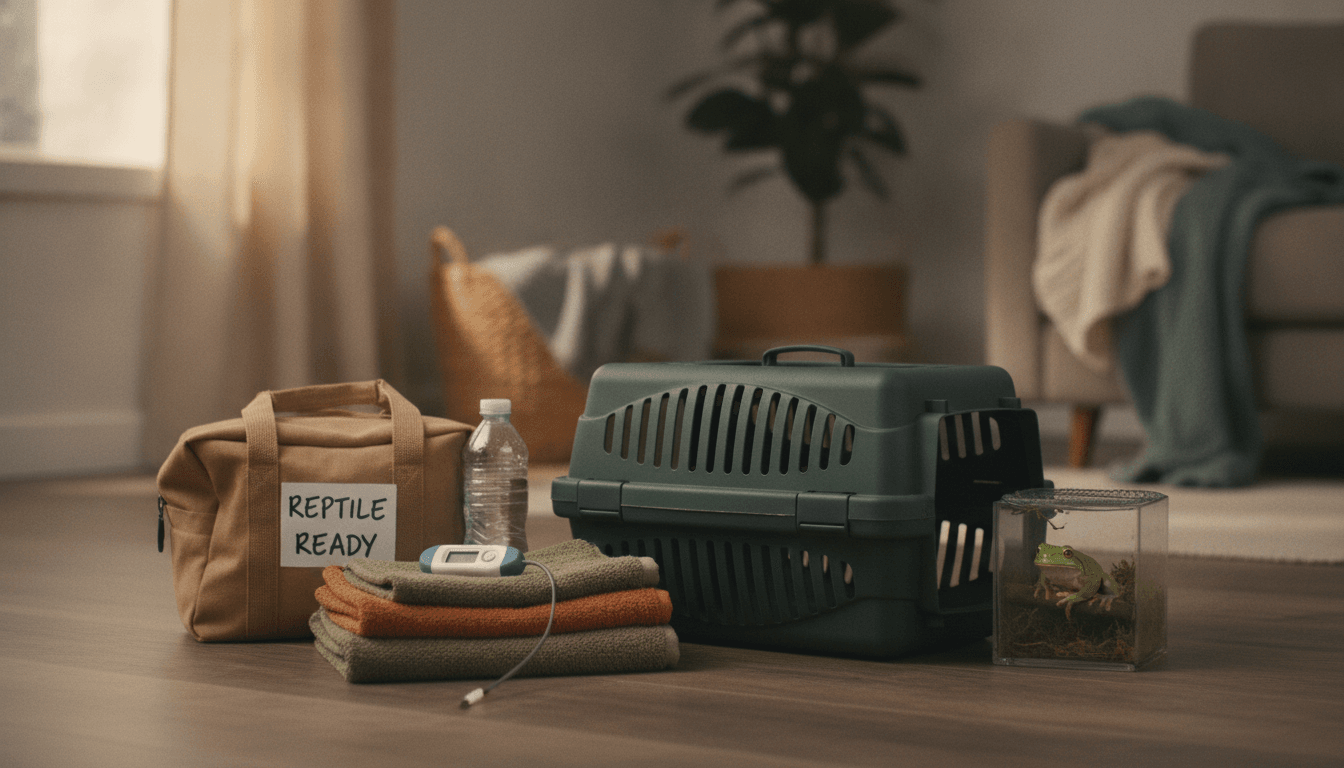
September is National Preparedness Month, making it a useful time to turn emergency planning into something practical: a ready-to-grab kit for your exotic pet. A kit cannot replace species-specific husbandry or veterinary advice, but it can reduce last-minute decisions if you need to shelter in place, travel, or leave home quickly.
This checklist is designed for common companion reptiles, birds, and small mammals. Build around your individual animal’s normal food, enclosure needs, medications prescribed by your veterinarian, and likely local hazards. Requirements at shelters, hotels, and across jurisdictions vary, so check them before an emergency.
Start with a two-part emergency plan
- Go kit: supplies you can carry immediately, including a secure carrier, water, food, identification, and basic cleaning items.
- Home kit: backup supplies that support your pet if you stay home without normal utilities or access to a store.
Write down where both kits are stored and check them at least twice a year. Replace expired food, stale water, used bedding, and batteries. The American Red Cross recommends including pets in household disaster plans and keeping transport supplies ready; its guidance also points owners toward species-specific information for birds, reptiles, and small animals.
Universal items for almost every exotic pet
- A secure, escape-resistant carrier or travel container appropriate for the species and size
- Familiar bedding or a towel, plus spare towels and disposable gloves
- Several days of the pet’s usual food, packed in a sealed container; do not introduce a new diet during a stressful event
- Water and a leak-resistant way to offer it, along with a backup container
- Printed care instructions: feeding routine, enclosure requirements, handling limits, and your veterinarian’s contact details
- Recent photo, identification information, adoption or purchase records, and any permit documents that apply where you live
- Small flashlight, spare batteries or power bank, thermometer or other species-appropriate monitoring tools, and waste bags
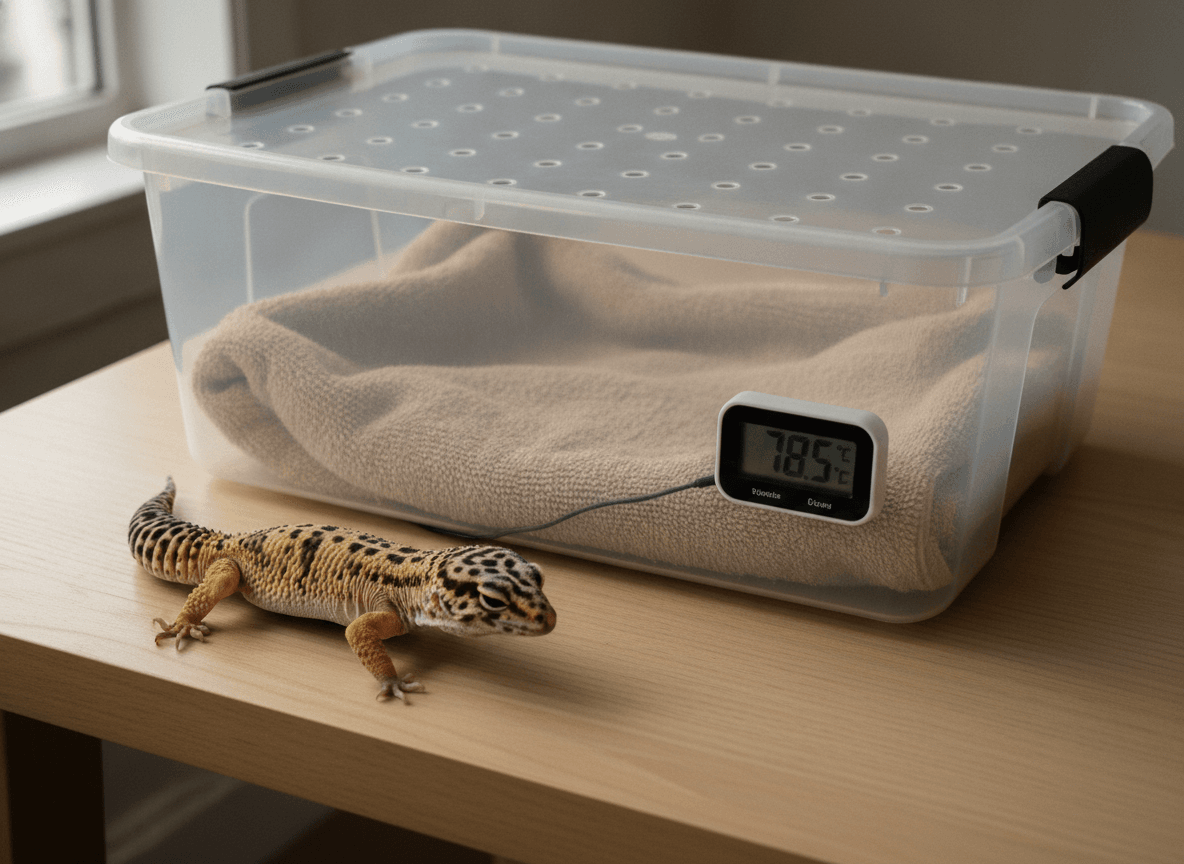
Reptile kit: prioritize containment and temperature awareness
- Use a secure ventilated tub or carrier that prevents escape while allowing appropriate airflow.
- Pack familiar, dry substrate or a towel, and bring a species-appropriate hide if it fits safely.
- Carry the normal diet and feeding tools. Many reptiles should not be force-fed or offered unfamiliar foods during disruption; ask your veterinarian about your animal’s individual needs.
- Include a digital thermometer and the equipment your veterinarian has specifically recommended for short-term temperature management.
- Never improvise a heat source inside a carrier where it can burn the animal, overheat the container, or create a fire risk. Ask an exotic-animal veterinarian how to maintain safe temperatures for your species during travel.
Reptiles vary widely in temperature, humidity, hydration, and feeding requirements. A general checklist cannot safely provide one temperature or schedule for every species. For background on responsible exotic-pet husbandry, see the American Animal Hospital Association’s exotic-pet care resource.
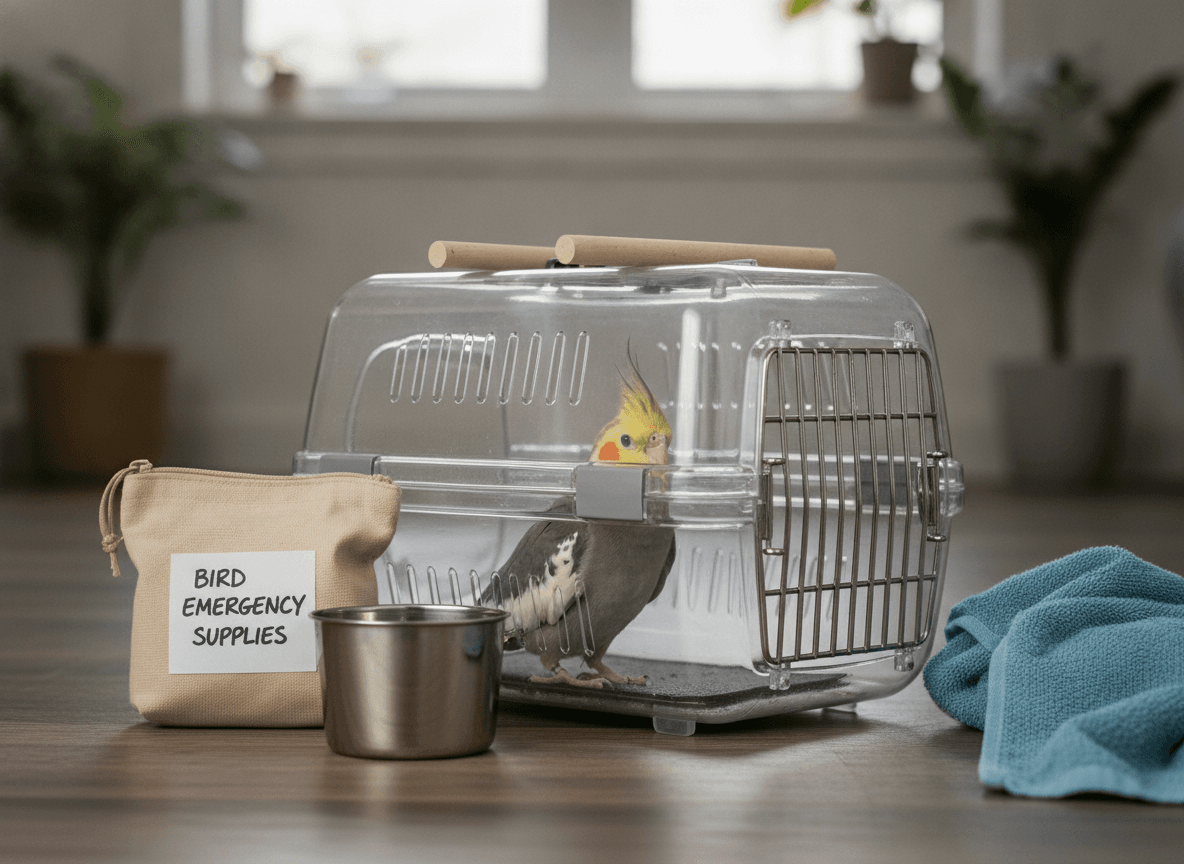
Bird kit: reduce handling and protect familiar routines
- Choose a sturdy carrier with secure doors and safe ventilation. Remove hazards such as loose toys, long cords, or unstable perches before travel.
- Pack the bird’s usual food, a safe water container, paper liners, and a towel that can help reduce visual stimulation if your bird tolerates it.
- Bring a small supply of familiar enrichment only if it can be secured safely and will not become a projectile in transit.
- Record the normal light, sleep, feeding, and medication routine. Keep the carrier out of drafts, direct sun, smoke, and cooking fumes.
- Do not give sedatives or human medications unless an avian veterinarian prescribed them for that bird and explained their use.
Small-mammal kit: pack food, bedding, and ventilation
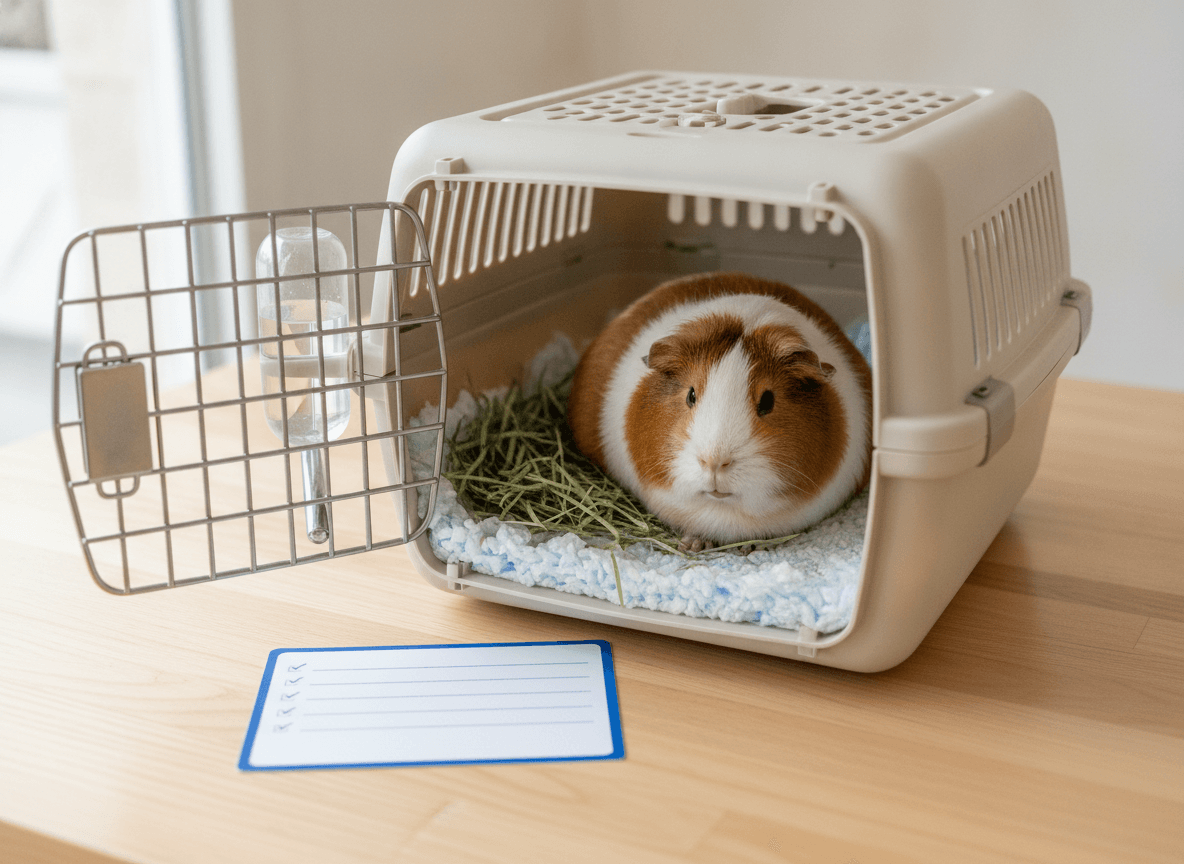
For guinea pigs, hamsters, rats, mice, and similar animals, pack enough of the usual hay, pellets, or other species-appropriate diet for the planned disruption, plus familiar bedding. A secure carrier should have good ventilation and enough room for the animal to sit and turn normally without allowing escape.
- Bring a leak-resistant water bottle only if your pet already uses that style; otherwise bring the familiar method and a backup.
- Use a stable carrier liner and spare bedding so you can keep the space dry and clean.
- Pack chew-safe, familiar enrichment that cannot block ventilation or injure the animal.
- Protect the carrier from heat, cold, loud noise, and direct sun. Never leave a small mammal unattended in a parked vehicle.
- List each animal separately if you have more than one. Housing compatibility and transport arrangements are species- and individual-dependent.
Make the kit usable before an emergency
- Put carriers where you can reach them quickly, and practice calmly placing your pet inside when there is no emergency.
- Call your veterinarian now to confirm the clinic’s emergency process and ask for species-specific travel guidance.
- Identify an alternate caregiver and write down the authorization they would need to act for your pet.
- Check which nearby hotels, shelters, boarding facilities, or friends can actually accommodate your species. Never assume a general shelter accepts every exotic pet.
- Keep a paper copy of the plan in the kit in case your phone or internet service is unavailable.
Quick monthly check
- Is the carrier clean, intact, and still escape-resistant?
- Are food, water, bedding, batteries, and medications within date?
- Do the printed contacts and care notes match your pet today?
- Can you find the kit and carrier in under a minute?
- Has your pet’s species, size, health, or enclosure changed?
Preparedness is about reducing avoidable stress, not trying to diagnose or treat illness at home. If your pet is injured, unusually weak, having breathing trouble, or otherwise showing an urgent change, contact an exotic-animal veterinarian or emergency service promptly. For broader planning ideas, read our exotic pet storm and evacuation checklist and seasonal exotic-pet care checklist.
Sources: Ready.gov National Preparedness Month; American Red Cross Pet Disaster Preparedness & Recovery; AAHA Caring for Exotic Pets. Guidance varies by species and location; consult a qualified exotic-animal veterinarian for an individualized plan.